
.png)

Koroneiki olive oil: A small olive with big attitude
I. Introduction: a small olive with a bold, unmistakable character
In the world of olive oil, some varieties make their presence felt discreetly, through quality rather than volume.
The Koroneiki , a small Greek olive with a robust profile, is one of them.
Often overlooked by the general public but celebrated by producers and master millers, it is now considered one of the most suitable varieties for the production of high-quality extra virgin olive oils, thanks in particular to its natural richness in polyphenols .

II. Origin and terroir: Messenia, cradle of Koroneiki
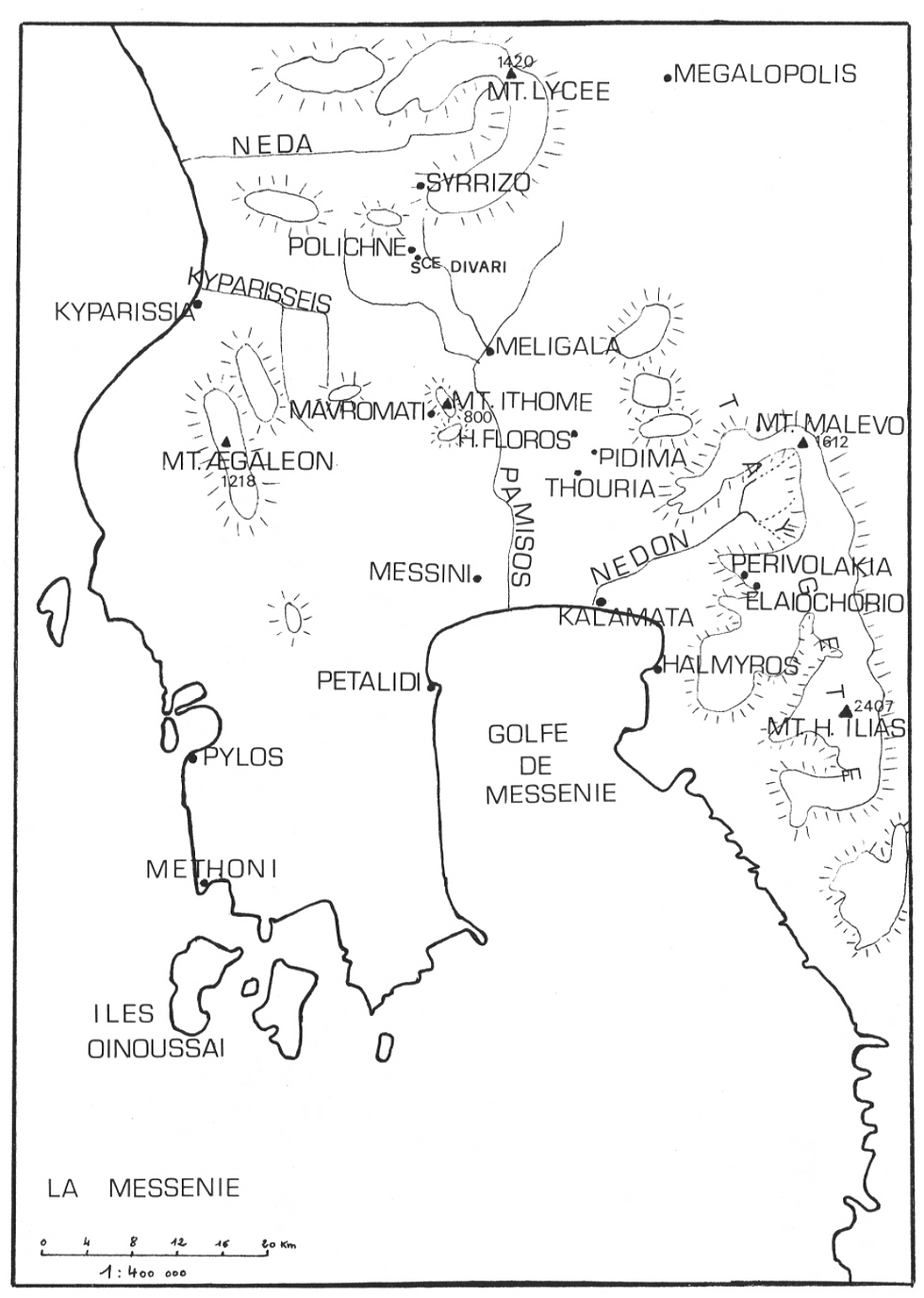
Koroneiki is inextricably linked to Messenia, the golden triangle between Kalamata, Koroni and Pylos, in the southwest Peloponnese. It is there, for centuries, that this emblematic variety has drawn its strength and identity.
This exceptional terroir is shaped by time, wind and water. Its geological characteristics between the peaks of Mount Taygetus overlooking Kalamata, which reach a height of 2,404 m , and the gentle hills (average altitude of 229 m) descending towards the Ionian Sea, create a unique environment from which Koroneiki draws its best.
The olive trees thus benefit from:
well-drained soils resting on numerous water tables, essential for deep rooting;
marine influence : winds from the Ionian Sea deposit salt and mineral microparticles that contribute to the sensory signature of the fruit;
of a contrasting Mediterranean climate : long hot and dry periods followed by short but intense rains, strengthening the tree's natural resilience.
During periods of water stress , the Koroneiki palm develops smaller fruits, but also fruits with a higher concentration of polyphenols and antioxidants. This natural biological mechanism allows it to protect itself from insects, diseases, and high temperatures, resulting in an oil of remarkable intensity.
These combined conditions shape an aromatic, stable fruit, concentrated in polyphenols , which produces an oil with a pronounced character.
Finally, the olive-growing tradition is deeply rooted in Messenia: in many families, olive groves are passed down from generation to generation, perpetuating ancestral know-how and an unbreakable link with the land.
III. Characteristics of Koroneiki: small olive, big potency
Koroneiki is distinguished by several unique botanical traits:
small size (much smaller than varieties like Kalamon, Arbequina or Picholine)
Dense flesh and very aromatic
excellent yield high quality despite low volume yield
natural robustness against climate and wind
remarkable stability of the oil compounds

What makes it so sought after by high-quality producers is its ability to produce oils:
intense
fresh
surprisingly complex
rich in natural antioxidants
stable over time without additives
IV. Early harvesting reveals the full potential of the Koroneiki
Koroneiki olives give their best when harvested early in the season , often as early as October , when the olives are still green .
The benefits of an early harvest
Significantly higher polyphenol content
Very pronounced vegetal freshness
Bitterness and pungency are more present but balanced.
Exceptional oxidation stability
Early harvesting is a deliberate choice made by producers like O Kairos who prioritize excellence over volume .
The yield is lower but the quality is higher.

V. Sensory Profile: An Oil with Character
A quality Koroneiki olive oil can be recognized immediately upon tasting.

On the nose:
Freshly cut grass
Olive leaf
Raw artichoke
Green tomato or fresh almond
In the mouth
Lively attack
Intense green fruitiness
Slight bitterness
Persistent peppery spiciness
These sensations are a sign of a fresh, vibrant oil rich in antioxidants .
This intensity reflects its high concentration of polyphenols , responsible for that famous peppery sensation in the throat.
VI. An oil naturally rich in polyphenols: a rare asset
Along with Kalamata (Kalamon), Koroneiki is among the varieties richest in polyphenols in the world , which gives it several advantages:
Health
powerful natural antioxidants with a high natural content of oleocanthal, oleacein and hydroxytyrosol
Benefits studied within the framework of the Mediterranean diet:
👉 Worth watching or rewatching. An Arte documentary, "The Mediterranean Diet – The Ideal Recipe ," shedding light on a culinary tradition that has spanned centuries… and which science now validates as one of the most protective for health (50 min).
protection of blood lipids against oxidation
The fresher an oil is and the earlier it is harvested, the more of these compounds are present.
Conservation
excellent stability over time
natural resistance to oxidation
long-lasting aroma retention
Taste quality
aromatic intensity
peppery character
Final length on the palate

This wealth is not a legend: it is measurable and measured every year during international competitions.
Official analyses, carried out as part of international competitions and independent laboratory analyses, confirm year after year the exceptional phenolic density of oils from early harvests — particularly those produced from varieties such as Kalamata (Kalamon) and Koroneiki , among the most naturally rich in polyphenols.
Nicolas Netien and phenolic excellence in Cyprus
The work of Nicolas Netien, co-founder of Oleaphen and a renowned specialist in oils with very high polyphenol content, reinforces this reality. The results obtained in Cyprus - some of the highest concentrations measured in the world - demonstrate that an extraordinarily rich antioxidant oil is always the product of a carefully controlled process: a suitable variety, very early harvest, rigorous extraction, and absolute respect for the fruit. His publications also remind us that the Kalamata and Koroneiki varieties are among the highest performing when harvested at the right time, scientifically confirming what tasters already perceive.
Nicolas Nétien, olive farmer in Cyprus
The fresher an oil is and the earlier it is harvested, the more of these compounds are present.
VII. Why is the Koroneiki of Messenia so sought after?
Not all Koroneiki are created equal. The terroir plays a fundamental role.
👉 See article: Nature doesn't always fit into boxes. Neither does Koroneiki. The European Union is adapting its standards for Koroneiki) .
Messenia , in the southwest Peloponnese, benefits from:
With a Mediterranean climate, very hot in summer and mild in winter
Sloping soils suitable for olive trees
From ancestral olive-growing know-how
Oils from this region, including the Kalamata PDO, are renowned for their balance , aromatic intensity and consistent quality .
VIII. How to use a premium Koroneiki oil
An early harvest Koroneiki oil is primarily a finishing oil .

Recommended uses
Green salads
Steamed or grilled vegetables
White fish
Fresh cheeses
Sourdough bread
To preserve its qualities, it is best to avoid long cooking times.
IX. The O Kairos Approach
At O Kairos , Koroneiki is treated like a vintage . Each harvest corresponds to a precise moment - a Kairos , the right moment.
Working exclusively with varieties like Koroneiki and Mavrolia, known for their phenolic richness
favor early harvesting, limit the time between picking and extraction
and collaborate with mills capable of preserving the integrity of natural compounds.
The result is an oil that owes nothing to chance; an oil whose aromatic power, peppery character and nutritional quality are measurable, verifiable and consistent from year to year.

The Koroneiki harvested in October embodies this approach:
Controlled harvest
Cold extraction on the same day
Full traceability
Handcrafted production
Conclusion
If the Koroneiki is today considered one of the best olives in the world, it is neither by chance nor a fad.
This is the result:
Of exceptional variety
From a terroir
With expertise
And strong quality choices, such as early harvesting
For lovers of authentic and expressive extra virgin olive oils, Koroneiki is a no-brainer .


Comments